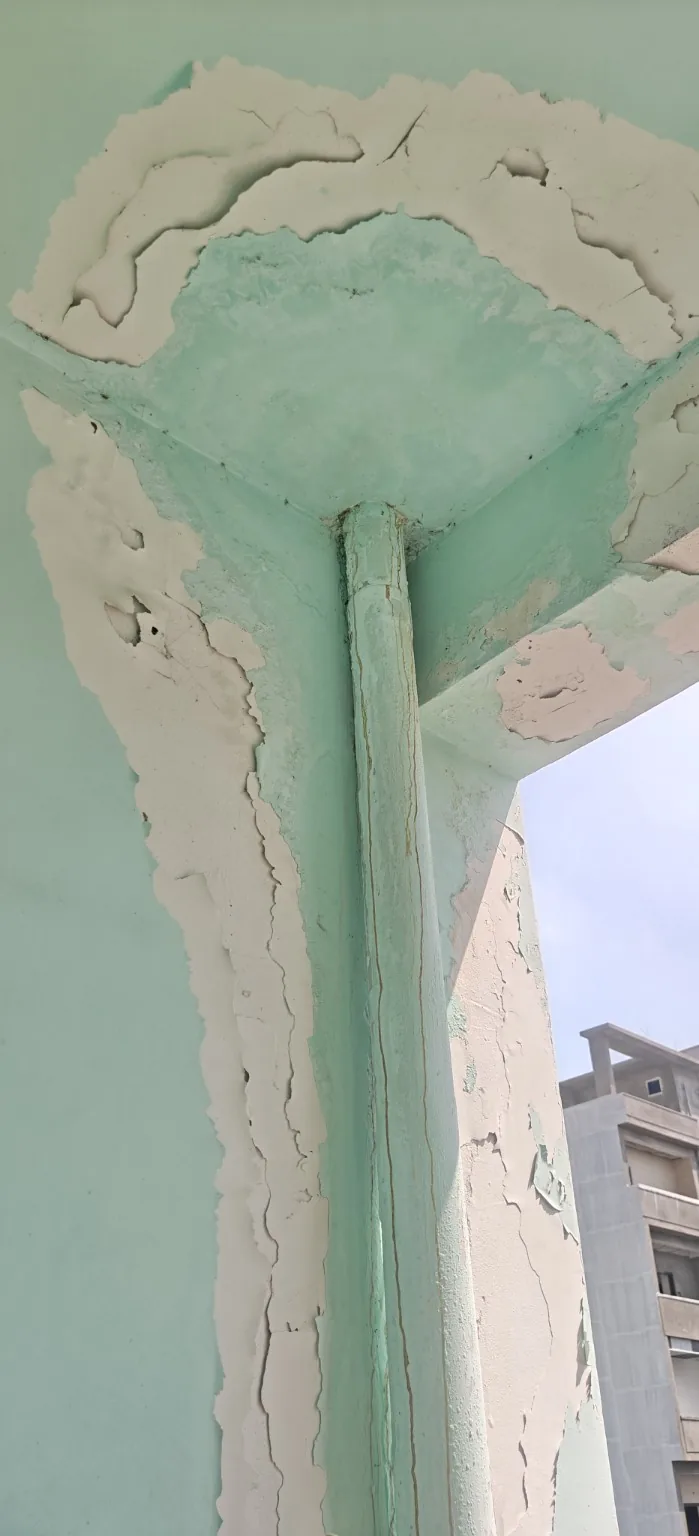
The Site-Adulteration Trap
On-site mixing allows cheap sand, extra water and low-grade material substitutions. That destroys bonding quality, finish discipline and the builder's intended specification.

The factory-controlled, wet ready-mix coloured architectural finish designed to reduce site adulteration, improve quality control and bring colour into the plastering stage for large buildings, institutions and premium exterior projects.
Traditional wall systems expose builders to uncontrolled site mixes, moisture damage, alkali-related problems and costly finishing-stage rework.
On-site mixing allows cheap sand, extra water and low-grade material substitutions. That destroys bonding quality, finish discipline and the builder's intended specification.
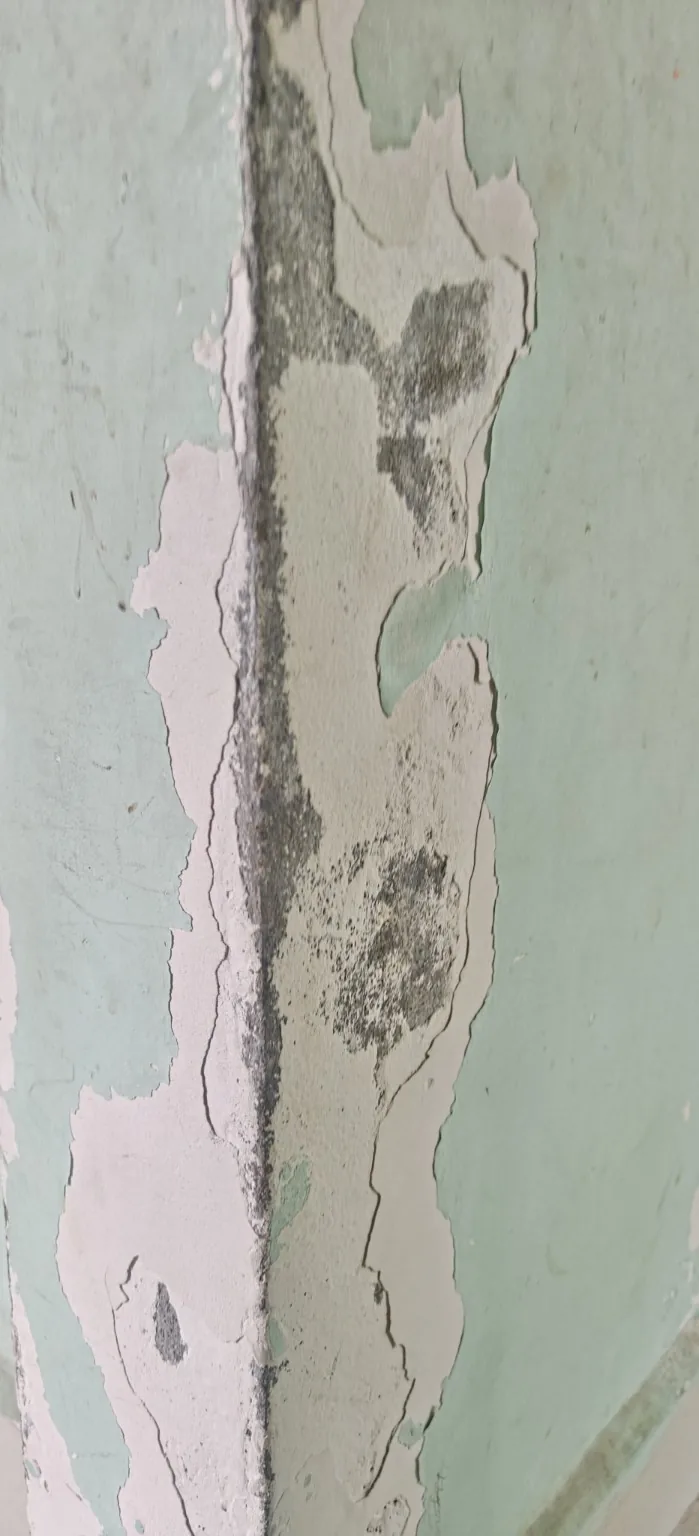
Ordinary decorative paint over alkaline cement surfaces can fail through peeling, white salt patches, damp marks and visual deterioration.
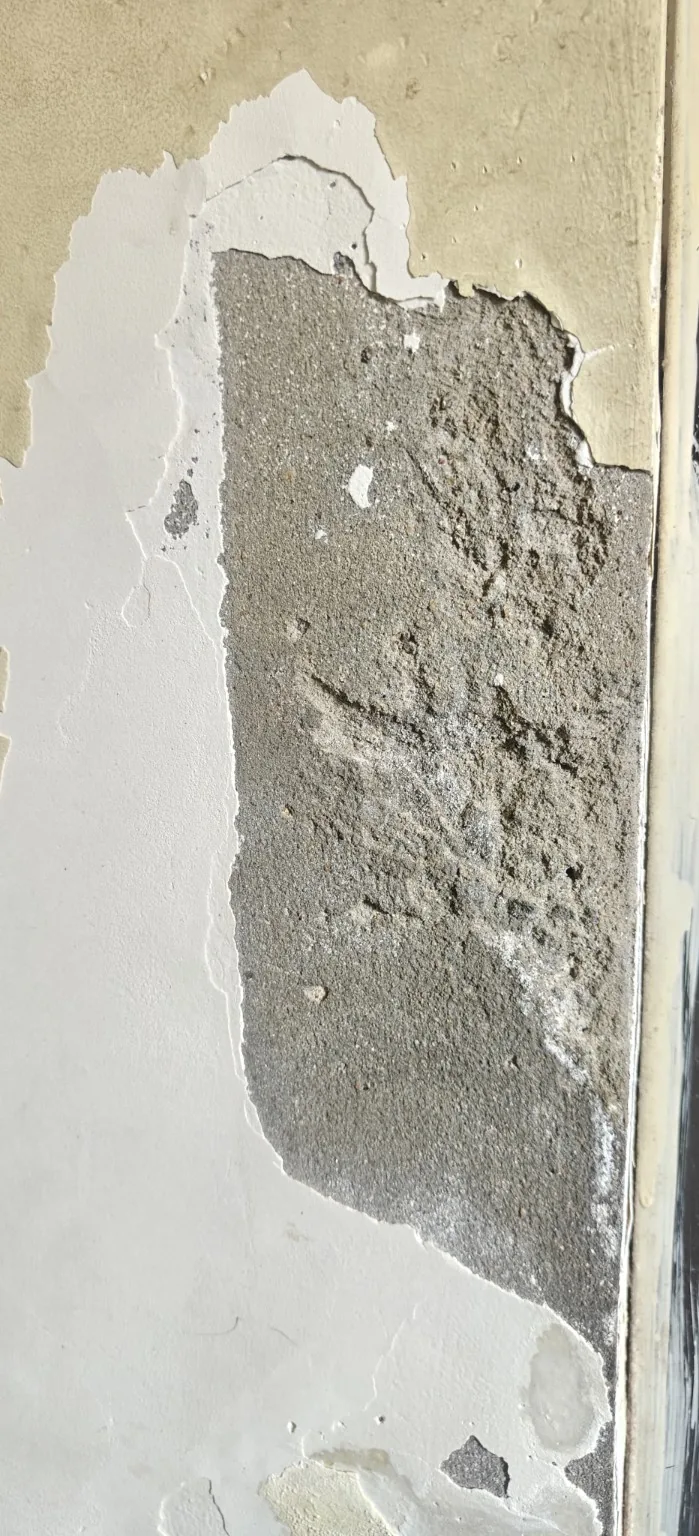
When multiple layers fail, the customer pays twice: once to build the finish and again to remove failed layers, repair the base and reapply the system.
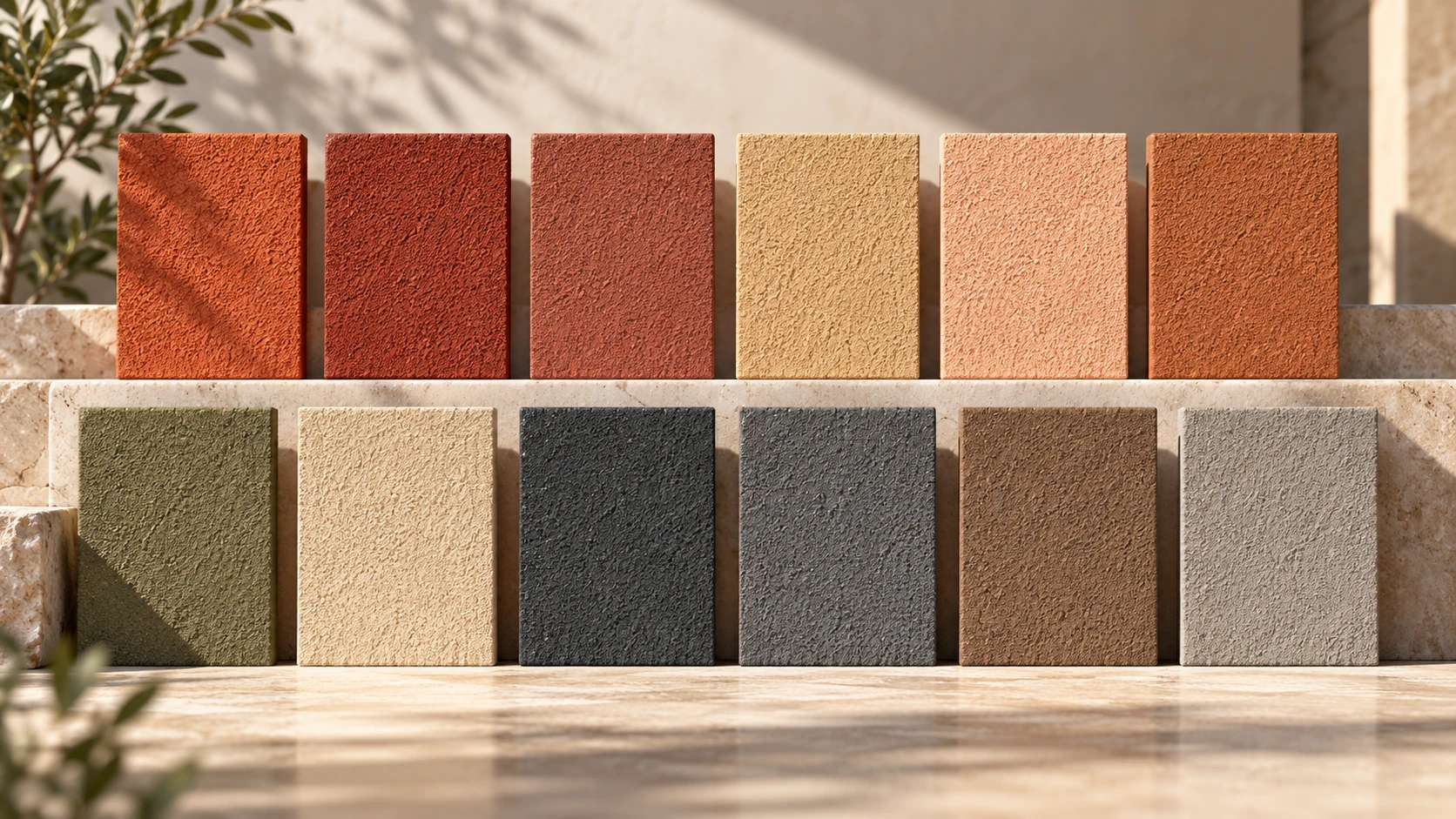
Synthetic iron oxide shade families give architects a range of earth-inspired colours for integrated coloured plaster and exterior render finishes. A premium architectural shade board is shown alongside the visual colour palette.
Click a synthetic iron oxide shade to preview the facade colour direction.
Digital shade previews are illustrative. Choose final shades from physical render panels.
View VARNA colour gallery ↗Delivered as a wet ready-mix mortar in sealed buckets, VARNA RENDER™ is positioned to eliminate site formulation mistakes. Advanced Nano-Technology, Ultrafine Granite Powder and Micro-Silica Densifiers are brought together in a dense architectural render matrix. The manufacturer positions VARNA RENDER™ as offering 70% improved strength compared with regular top-quality plaster.
No mason can alter the formula by adding cheap sand, extra water or low-grade cement. Every bucket is intended to preserve the laboratory-controlled mix.
Advanced mineral pigments become part of the render body, reducing dependence on a separate paint film for colour delivery.
Integrated mineral colour and an alkali-resistant formulation are designed to reduce the risk of colour deterioration and paint-layer peeling in cement-based wall finishes.
Not positioned as a fragile topcoat. The render is intended to become part of the wall body rather than sitting as a separate decorative paint layer.
An integrated hydrophobic shield is used in your commercial narrative to address dampness, efflorescence and related exterior failure concerns.
UV-stable pigments and oxide-based shade direction are positioned to deliver long-term colour stability for exterior surfaces.
A premium architectural matte finish is the standard direction, with optional mica enhancement for special projects.
Sealed-bucket supply is a major commercial advantage because the builder receives exactly what the factory manufactured.
A simplified plastering-stage application, built around controlled ready-mix quality and a premium architectural matte finish.
Apply a 6–8 mm base coat like regular plastering mortar, building the primary body of the wall finish.
Apply a 3–4 mm finish coat and refine with the trowel to the specified premium matte appearance.
Use a steel trowel to refine the finish, compress the surface and develop the target exterior texture.
An internal moisture-retention matrix supports curing within the applied render. The application approach includes light surface dampening for the first three days where conditions require it.
VARNA RENDER™ being applied to an architectural exterior wall.
For educational campuses, institutional buildings, apartments and large commercial projects, an integrated coloured render can reduce repainting cycles, simplify procurement and lower long-term facade maintenance pressure.
VARNA RENDER™ replaces the conventional Plaster → Putty → Primer → Paint sequence with factory-prepared wet ready-mix coloured architectural mortar. It is supplied in sealed buckets, eliminating onsite measuring and mixing of cement or sand. The focus is consistent material quality, fewer trades, fewer finishing interfaces and an integrated mineral colour finish.
Incorrect cement-to-sand ratios, low-grade sand and excess water can introduce uncontrolled variation. With factory-prepared ready-mix mortar, the specified recipe arrives prepared; unauthorised additions are not part of the application method.
The company describes a 70% improved-strength system based on advanced nano-technology, ultrafine granite powder, micro-silica densifiers and a flexible polymer matrix. This product architecture aims for a denser finish than conventional high-grade plaster.
An integrated hydrophobic shield and alkali-compatible synthetic iron oxide colour system are intended to address dampness, colour change, peeling and efflorescence associated with conventional paint layers. Matte, rustic-texture and optional mica-accented finishes are available for design discussion.
Apply like traditional plastering mortar: base coat 6–8 mm, finish coat 3–4 mm, and burnish with a steel trowel. The described moisture-retaining matrix provides self-curing support; light dampening over an initial three-day period is the recommended project approach. Actual thickness and consumption depend on the wall, surface and site conditions.
Factory-controlled batch quality, protection from unauthorized site mixing, integrated colour, a premium architectural matte finish and fewer product layers to coordinate. For large campuses, educational institutions and major buildings, the key gain is reduced repainting and lower ongoing maintenance pressure across extensive wall areas. Evaluate the complete installed finishing sequence instead of only comparing price per kilogram.
Contact us for bulk orders, site trials, sample panels and distributorship discussions.
No. VARNA RENDER is manufactured as fresh order-based wet ready-mix mortar.
Yes. Synthetic iron oxide shades shown digitally are previews. View a physical sample panel before specifying.
No. Coverage depends on substrate, application thickness and site conditions.